
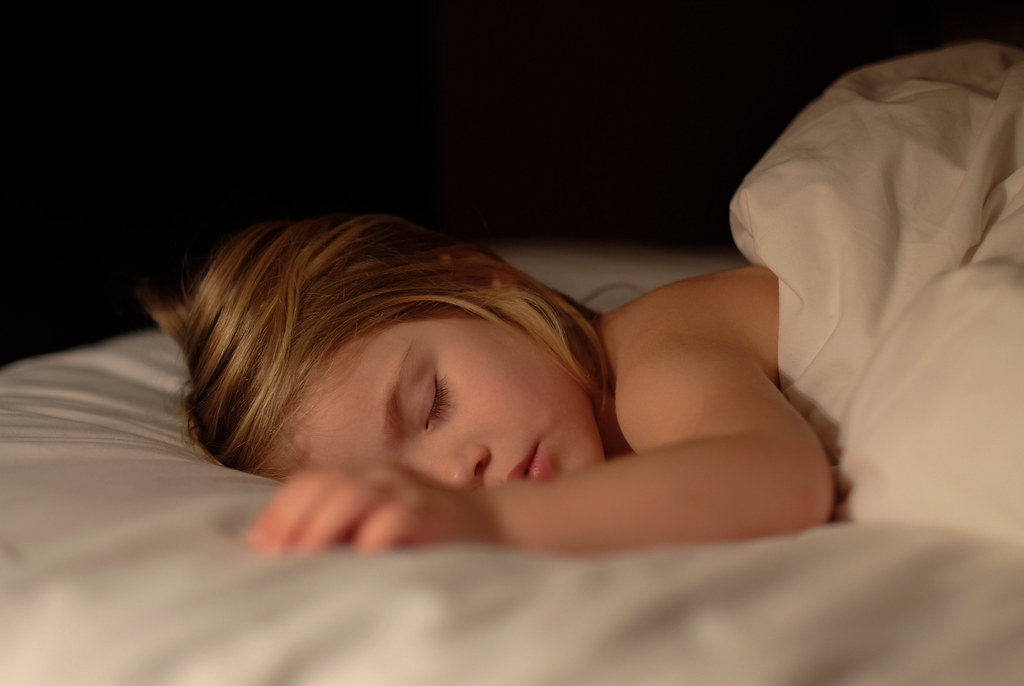
Poor sleep can affect hunger hormones, insulin sensitivity, and blood sugar control.
Aim for a regular sleep schedule and a comfortable sleep environment. Loud snoring or daytime sleepiness may signal sleep apnea, which is common in people with type 2 diabetes.
Pin Tip
Tell your doctor if you snore loudly or wake up tired.
Work With Your Care Team
This pin shares general health information, not medical advice. Diabetes care is personal, so follow the targets, medications, and meal plan set by your doctor, diabetes educator, or dietitian.
Know the Emergency Signs
Call 911 if someone with diabetes becomes confused, cannot stay awake, has a seizure, or cannot safely swallow. Seek urgent care for very high blood sugar with vomiting, deep rapid breathing, or a fruity breath odor.
Quick Reminder
Keep your diabetes supplies, snacks, and emergency contact information together in one easy to grab kit.
Save this pin on PinGallery for easy reference, and explore more health and wellness information for Ohio families.